












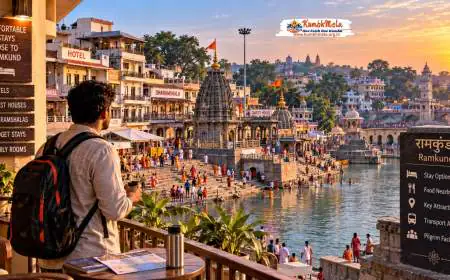























Why Pilgrims Visit Temples Before Entering Sacred Ghats
Discover why pilgrims visit temples before entering sacred ghats at Nashik Kumbh Mela, from seeking blessings before the holy dip to understanding the spiritual sequence of temple-to-river worship.

Quick Answer ⚡
Why do pilgrims visit temples before entering sacred ghats? Pilgrims visit temples before entering sacred ghats to seek divine blessings, purify their minds, and complete the spiritual sequence of worship. The temple-to-ghat pilgrimage follows a sacred order: pilgrims first offer prayers at the temple, receive darshan of the deity, and then proceed to the river for the holy dip. This sequence ensures that the pilgrim approaches the sacred water with a purified heart and mind. In Nashik, the Panchavati temple circuit begins at the Kalaram Temple, moves through Sita Gufa, and culminates at Ramkund on the Godavari River—a walkable spiritual journey that has been followed for centuries.
At a Glance 🔎
| Aspect | Details |
|---|---|
| Primary reason | Seek blessings before the holy dip |
| Spiritual sequence | Temple darshan → rituals → river bath |
| Key Nashik temples | Kalaram Temple, Sita Gufa, Kapaleshwar Temple |
| Sacred ghat | Ramkund on the Godavari River |
| Walking distance | 2-3 km circuit, 2-3 hours |
| Best time | Early morning, before crowds build |
The Sacred Sequence: Why Temple Comes Before River 🌊🏛️
In Hindu pilgrimage traditions, the journey from temple to ghat follows a deliberate and sacred sequence. This is not a matter of convenience—it is a spiritual progression that has been followed for millennia.
The Spiritual Logic 🧘
The act of visiting a temple before entering a sacred ghat is rooted in the belief that one must approach the divine with a purified mind and heart. According to Vedic regulative principles, one must observe certain purifications before entering a holy place of pilgrimage. The temple serves as the first point of contact with the divine, where pilgrims seek blessings and set their spiritual intention before proceeding to the river.
The sequence is clear:
Trending Guides Now

Sanyas Diksha Ceremonies at Kumbh Mela: Meaning and Process
Read Guide →
Sacred Food Rituals and Fasting at Kumbh Mela Explained
Read Guide →
Sacred Rituals Only Seen at Nashik Kumbh Mela
Read Guide →
Evening Aarti at Godavari Ghats Nashik Guide
Read Guide →
Impact of Kumbh on Nashik Real Estate Market
Read Guide →
Nashik Kumbh Mela 2027 Latest Preparations Status - January 2026
Read Guide →
Why Temple Visits Complement Holy Bath Rituals
Read Guide →
Digital Lost and Found Network for Kumbh Visitors
Read Guide →-
Offer prayers at the temple
-
Receive darshan of the deity
-
Perform rituals and offerings
-
Proceed to the ghat for the holy dip
-
Complete the pilgrimage with the sacred bath
Purification Before the Dip 💧
Many pilgrims visit temples before the holy dip to offer prayers for a safe and spiritually meaningful bathing experience. The temple visit is a moment of preparation—a time to focus the mind, set intentions, and seek the deity's blessings before entering the sacred waters.
Expert Insight 💡: The temple visit before the ghat is not just ritual—it is preparation. The mind must be as purified as the body before the sacred dip.
The Panchavati Temple Circuit: A Living Spiritual Route 🚶
In Nashik, the Panchavati temple circuit is the perfect example of this temple-to-ghat pilgrimage tradition. This 2-3 kilometre walking route connects temples and sacred sites, culminating at the Ramkund ghat on the Godavari River.
Why Panchavati? The Sacred Geography Explained 🌳
Panchavati is not just another neighbourhood in Nashik—it is a living Ramayana site. According to the Ramayana, Lord Ram chose this spot to build his hut during exile because the presence of five banyan trees made the area highly auspicious. The name Panchavati comes from panch (five) and vati (banyan trees). It was from Panchavati that Ravan abducted Sita.
Local Insight 📍: The entire Aranya Kanda (the Forest Book) of the Ramayana unfolds here. When you walk this circuit, you are walking through the epic itself.
The Walking Route: Temple to Ghat 🗺️
| Stop | Site | Significance | Walking Time |
|---|---|---|---|
| 1 | Kalaram Temple | Black stone Ram temple, 2000-year-old idol | Starting point |
| 2 | Sita Gufa | Cave where Sita stayed | 1 minute |
| 3 | Ramkund | Holiest bathing ghat, Lord Ram's bath | 5-7 minutes |
| 4 | Kapaleshwar Temple | Unique Shiva temple without Nandi | Adjacent to Ramkund |
| 5 | Sundar Narayan Temple | Vishnu temple near Ramkund | Near Ramkund |
The route is designed to start at the largest temple, move to the cave shrine, then flow towards the river ghats. Pilgrims never walk more than 10 minutes between stops, making it a manageable and deeply spiritual journey.
Kalaram Temple: Where the Pilgrimage Begins ⚫
The Kalaram Temple is the crown jewel of Panchavati and the starting point of the temple-to-ghat pilgrimage.
The Black Stone Wonder 🪨
Built in 1792 (or 1788, according to some sources) by Sardar Rangarao Odhekar, the temple is named for its most distinctive feature—the black stone idol of Lord Ram. Kala Ram literally means "Black Ram". The idol is thought to be about 2000 years old.
The Discovery Story 📖
Sardar Odhekar, a devotee of Ram, had a dream in which he was told that the idol of Lord Ram lay submerged in the Godavari at Ramkund. He went to the river, found the black stone idols of Ram, Sita, and Lakshman, and built this temple to house them.
Architectural Symbolism 🏛️
| Feature | Significance |
|---|---|
| 14 steps | Represent 14 years of exile |
| 84 pillars | Represent 84 lakh births a soul takes |
| Black basalt stone | Divine energy, calm and grounded |
Historical Significance 📜
The Kalaram Temple is also the site of a landmark Dalit satyagraha led by Dr. B.R. Ambedkar in 1930, demanding temple entry rights for Dalits.
Pro Tip 🧭: Visit Kalaram Temple at dawn for a quieter darshan before the principal crowds gather. The temple is open from 5:00 AM to 10:00 PM daily.
Sita Gufa: The Cave of the Goddess 🕳️
After Kalaram Temple, pilgrims walk just one minute to Sita Gufa—the cave where Goddess Sita is believed to have stayed during the exile.
The Cave Experience 🕯️
This small, meaningful stop is often missed by hurried pilgrims. The cave can feel cramped when crowded, so it's best visited during off-peak hours. The experience is intimate and devotional, connecting pilgrims directly to the Ramayana narrative.
Expert Advice ✨: Sita Gufa is not a "big monument"—it is a devotional site. Keep expectations realistic and focus on the spiritual connection.
Ramkund: The Sacred Ghat Where Pilgrimage Culminates 🌊
After completing the temple visits, pilgrims proceed to Ramkund, the holiest bathing ghat on the Godavari River.
The Holiest Spot 🏹
Ramkund is the heart of Nashik's pilgrimage energy. It is believed to be the spot where Lord Ram bathed during his exile. Even if pilgrims are not bathing, visiting early morning helps them understand why people come here.
The Temple-to-Ghat Transition 🔄
The transition from temple to ghat is seamless. After offering prayers at Kalaram Temple and Sita Gufa, pilgrims walk 5-7 minutes to Ramkund. The journey from the sacred space of the temple to the sacred waters of the river completes the spiritual circuit.
Pro Tip 🧭: If it's a major snan day, visit a day earlier for a calmer experience. During Amrit Snan, access to Ramkund may be restricted, so consider visiting on Parv days for a quieter experience.
Kapaleshwar Temple: The Unique Shiva Shrine 🕉️
Adjacent to Ramkund is the Kapaleshwar Temple, another stop on the Panchavati circuit.
The Temple Without Nandi 🐂
Kapaleshwar Temple is one of the most unique Shiva temples in India—it is the only Shiva temple without a Nandi statue. According to legend, Lord Shiva regarded Nandi as his Guru after Nandi advised him to bathe in Ramkund to wash away his sin.
When to Visit ⏰
Kapaleshwar Temple is a good option when ghats are overloaded or pilgrims want a shorter temple visit. It offers a peaceful counterpoint to the crowded ghats.
The Spiritual Significance of Temple-Before-Ghat 🙏
Purification of Body and Mind 🧹
The practice of visiting temples before sacred ghats is rooted in the belief that one must be spiritually prepared before entering the sacred waters. In many traditions, bathing in a river or ocean before entering a holy place is a method adopted to neutralize the effects of sinful activities.
The Role of Darshan 👁️
Darshan—seeing and being seen by the deity—is the central act of temple worship. By receiving darshan before the holy dip, pilgrims enter the sacred waters with the deity's blessings already upon them.
Completing the Spiritual Circuit 🔄
The temple-to-ghat pilgrimage represents a complete spiritual circuit:
-
Temple: Seeking blessings and setting intention
-
Rituals: Offering prayers and making offerings
-
Ghat: Purification through the holy dip
-
Completion: Returning home spiritually renewed
Expert Insight 💡: The journey from temple to ghat is not just physical—it is a spiritual progression from seeking blessings to receiving purification.
Practical Tips for the Temple-to-Ghat Pilgrimage 🧭
Best Time to Visit ⏰
What to Carry 🎒
-
Comfortable walking shoes – the circuit is walkable
-
Small padlock – for locker facilities (no lockers at Kalaram Temple)
-
Light cotton clothing – for comfort and respect
-
Water bottle – stay hydrated
Temple Etiquette 📋
Parking and Access 🅿️
During normal days, parking is available near Godavari Ghats for ₹30-₹50. During Kumbh Mela and Shahi Snan periods:
The Trimbakeshwar Connection 🔱
While the Panchavati circuit is the primary temple-to-ghat route in Nashik, Trimbakeshwar offers another dimension of the pilgrimage.
Trimbakeshwar Temple 🏛️
Trimbakeshwar is deeply tied to the Nashik spiritual circuit and is one of the twelve Jyotirlingas. It is the source of the Godavari River, making it the ultimate origin of the sacred waters that pilgrims bathe in at Ramkund.
The Extended Pilgrimage 🚶
Many pilgrims extend their journey from Panchavati to Trimbakeshwar, creating a complete pilgrimage from temple to the river's source. Treat Trimbakeshwar as a separate half-day trip rather than trying to squeeze it in after the ghats.
Pro Tip 🧭: Visit Trimbakeshwar at least 2-3 days before the major bathing dates to avoid the heaviest crowds.
The Kumbh Mela Connection 🌊
During the Nashik Kumbh Mela 2027, the temple-to-ghat pilgrimage takes on even greater significance.
The Amrit Snan 🌟
The three main Amrit Snan dates—August 2, August 31, and September 11-12, 2027—will see millions of pilgrims completing the temple-to-ghat journey. The Panchavati circuit will be the spiritual pathway for countless devotees.
Walking Through History 🚶
Every twelve years, the Nashik Kumbh Mela transforms Panchavati into the epicentre of the world's largest pilgrimage. Even without the Kumbh, Panchavati draws thousands of devotees daily who come to walk the same ground that Ram once walked.
Final Recommendations for Pilgrims 🏆
Top 5 Temple-to-Ghat Tips 🧭
-
Start at Kalaram Temple – Begin your pilgrimage at dawn for a peaceful darshan
-
Walk the circuit – Complete the 2-3 km walking route in sequence
-
Visit Sita Gufa early – Avoid crowds at this small cave shrine
-
Reach Ramkund before 7 AM – Beat the peak crowd hours
-
Consider Trimbakeshwar – Extend your pilgrimage to the river's source
Top 5 Spiritual Practices 🙏
-
Offer prayers at Kalaram Temple before proceeding to the ghat
-
Receive darshan of the black stone Ram idol
-
Visit Sita Gufa for a moment of quiet devotion
-
Take the holy dip at Ramkund with full ritual intention
-
Complete the circuit by visiting Kapaleshwar Temple
Expert Advice ✨: The temple-to-ghat pilgrimage is not just about reaching the river—it is about the journey itself. Each step from the temple to the ghat is a prayer, each stop a moment of connection with the divine.
The tradition of visiting temples before entering sacred ghats is a profound spiritual practice that has been followed for millennia. From the black stone grandeur of Kalaram Temple to the intimate devotion of Sita Gufa, from the serene waters of Ramkund to the unique energy of Kapaleshwar Temple, the Panchavati temple circuit offers pilgrims a complete spiritual journey. The temple-to-ghat pilgrimage is not just a route—it is a sacred progression from seeking blessings to receiving purification, from entering the divine presence to immersing in the sacred waters.
The temples await. The ghats are calling. And your sacred journey begins. 🏛️🌊🙏
Frequently Asked Questions