




































Latest Infrastructure Update: The ₹22,000 Crore Facelift of Nashik
Explore Nashik’s ₹22,000 crore transformation for Kumbh Mela—roads, ghats, transport, and smart city upgrades shaping a world-class pilgrimage hub.

Latest Infrastructure Update: The ₹22,000 Crore Facelift of Nashik
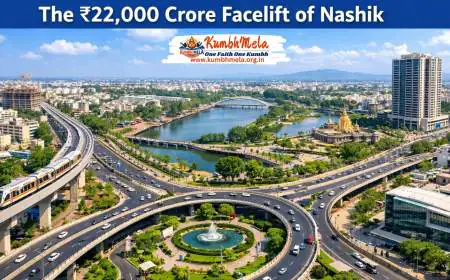
The Latest Infrastructure Update: The ₹22,000 Crore Facelift of Nashik represents a transformational leap in urban and pilgrimage infrastructure, positioning the city as a future-ready destination. At the core of this development is the expansion of multi-modal transport connectivity, including widened highways, improved railway access, and enhanced last-mile connectivity, ensuring smooth movement for millions of pilgrims during the Kumbh Mela 2027.
A major highlight is the Godavari riverfront redevelopment, focusing on ghat beautification, improved sanitation systems, and eco-friendly river conservation. This not only enhances the spiritual experience but also aligns with sustainable urban development goals. Parallelly, smart city initiatives are being implemented, including intelligent traffic management, surveillance systems, digital information centers, and crowd control technologies, ensuring safety and efficiency at scale.
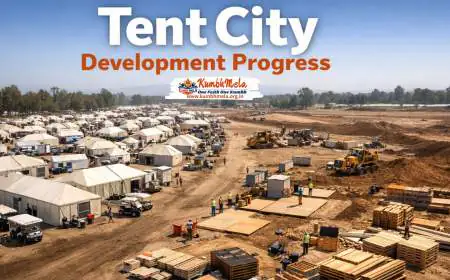
The facelift also emphasizes public amenities and accommodation infrastructure, with upgraded tent cities, sanitation facilities, medical centers, and emergency response systems designed to handle massive footfall with precision. Additionally, urban beautification projects—such as improved lighting, signage, and green corridors—are transforming Nashik into a visually appealing and navigable city.
Overall, this ₹22,000 crore Nashik development plan is not just event-driven but vision-oriented, blending spiritual heritage with modern infrastructure, sustainability, and global standards, making the upcoming Kumbh not only grand but also efficiently managed and future-ready.
For a complete understanding of how Nashik and Trimbakeshwar together form the Simhastha Kumbh — including official planning, ritual structure, dates, pilgrim movement, and on-ground arrangements — refer to the complete official guide to Nashik–Trimbakeshwar Simhastha Kumbh Mela 2027–28, which brings all essential aspects into one authoritative overview.
A Strategic Vision Behind the ₹22,000 Crore Investment
The ₹22,000 crore allocation reflects a long-term vision that extends beyond temporary event readiness. Authorities are focusing on building resilient, scalable, and future-ready infrastructure that can support both peak pilgrimage inflows and everyday urban demands.
This transformation is structured across multiple verticals:
- Urban mobility and transport expansion
- Riverfront and ghat redevelopment
- Smart city integration and surveillance
- Sanitation, water, and waste management
- Tourism infrastructure and accommodation ecosystems
The goal is clear: to ensure that Nashik can handle millions of pilgrims seamlessly while maintaining high urban livability standards.
Road Network Expansion and Traffic Decongestion
One of the most critical components of the facelift is the massive expansion and modernization of Nashik’s road infrastructure.
Key Developments
- Widening of arterial roads connecting major entry points to pilgrimage zones
- Development of ring roads and bypass corridors to divert heavy traffic
- Construction of flyovers and grade separators to eliminate congestion hotspots
- Smart traffic management systems with real-time monitoring
These initiatives are designed to reduce travel time, improve safety, and ensure smooth movement during peak Kumbh days, when the city witnesses unprecedented footfall.
Railway and Public Transport Modernization
Transportation is being reimagined with a focus on capacity, efficiency, and accessibility.
Railway Upgrades
- Expansion of platforms and passenger facilities
- Dedicated arrangements for pilgrim special trains
- Integration of digital ticketing and crowd control systems
Urban Mobility Enhancements
- Introduction of electric buses and eco-friendly transport options
- Development of multi-modal transit hubs
- Improved last-mile connectivity to ghats and key religious sites
These upgrades ensure that Nashik transitions into a well-connected pilgrimage city with modern mobility solutions.
Godavari Riverfront and Ghat Redevelopment
The spiritual heart of Nashik lies along the banks of the Godavari River, and a significant portion of the investment is dedicated to its transformation.
Major Interventions
- Reconstruction and beautification of ghats for safe and organized bathing
- Installation of advanced lighting systems for night-time rituals
- Creation of dedicated entry and exit pathways to manage crowd flow
- River cleaning and pollution control mechanisms
The focus is on maintaining the sanctity of rituals while ensuring safety and environmental sustainability.
Smart City Integration and Digital Infrastructure
Nashik’s facelift is deeply aligned with smart city principles, ensuring technology-driven governance and management.
Smart Features
- AI-powered surveillance systems for crowd monitoring
- Integrated command and control centers
- Public information systems with real-time updates for pilgrims
- Digital kiosks for navigation and assistance
This digital backbone ensures that authorities can anticipate, respond, and manage large-scale gatherings efficiently.
Water Supply, Sanitation, and Waste Management
Handling millions of visitors requires robust systems for clean water, sanitation, and waste disposal.
Key Improvements
- Expansion of water supply networks and storage systems
- Installation of modern sewage treatment plants
- Deployment of mobile and permanent sanitation units
- Implementation of solid waste management systems with segregation and recycling
These measures are essential to maintain public health standards and environmental balance during the event.
Accommodation and Tourism Infrastructure
The ₹22,000 crore investment also focuses on creating a comprehensive hospitality ecosystem.
Developments Include
- Temporary tent cities and modular accommodation units
- Expansion of hotels, guesthouses, and dharamshalas
- Development of tourist facilitation centers
- Enhanced connectivity to nearby attractions
This ensures that Nashik is not only capable of hosting pilgrims but also attracting global tourists interested in cultural and spiritual experiences.
Economic Impact and Regional Growth
The infrastructure push is expected to generate significant economic benefits.
Key Outcomes
- Job creation across construction, hospitality, and services
- Boost to local businesses and vendors
- Increased investment in real estate and tourism
- Long-term positioning of Nashik as a religious tourism powerhouse
The multiplier effect of this investment will continue to benefit the region well beyond the Kumbh period.
Environmental Sustainability and Green Initiatives
A notable aspect of this facelift is the integration of eco-friendly and sustainable practices.
Sustainability Measures
- Promotion of electric mobility
- River conservation projects
- Green landscaping and urban forestry
- Use of renewable energy sources in public infrastructure
These initiatives ensure that development does not come at the cost of environmental degradation.
Disaster Management and Safety Preparedness
Given the scale of the Kumbh, safety infrastructure is a top priority.
Preparedness Includes
- Advanced crowd simulation and management systems
- Emergency response units and medical facilities
- Disaster management control rooms
- Evacuation planning and drills
This ensures that Nashik is equipped to handle any unforeseen situations with precision and speed.
Cultural Preservation Amid Modernization
While modernization is central to the project, equal emphasis is placed on preserving Nashik’s cultural and spiritual identity.
- Restoration of heritage sites
- Maintaining traditional ghat architecture
- Supporting religious institutions and rituals
This balance ensures that the essence of the Kumbh experience remains authentic and spiritually enriching.
A New Identity for Nashik as a Global Pilgrimage City
The ₹22,000 crore facelift is redefining Nashik’s identity. It is no longer just a host city for the Kumbh—it is evolving into a benchmark for pilgrimage infrastructure worldwide.
With world-class facilities, smart governance, and sustainable practices, Nashik is setting new standards for how large-scale religious events can be managed in the modern era.
The Transformation That Extends Beyond Kumbh
What makes this development truly significant is its long-term impact. The infrastructure created today will continue to serve:
- Daily commuters
- Local residents
- Tourists and pilgrims year-round
- Future large-scale events
This ensures that the ₹22,000 crore investment delivers lasting value rather than temporary readiness.
Related Nashik Simhastha Kumbh Mela Guide :
Frequently Asked Questions